Traffic flow is one of the most overlooked parts of kitchen design, yet it has a major impact on how functional the space feels during everyday life. A kitchen may have high end finishes, plenty of cabinetry, and a large island, but still feel frustrating to use. Walkways that cut through work zones or poorly placed appliances can quickly create bottlenecks and congestion. In many homes, the issue is not necessarily the size of the kitchen, but how the layout handles everyday activity and movement throughout the room.
Many kitchen layouts work well when only one person is using the space, but begin feeling inefficient once multiple people are cooking, gathering, or moving through the kitchen at the same time. Small layout issues that seem minor at first can become much more noticeable during busy parts of the day. A well planned kitchen remodel should focus not only on appearance, but also on how comfortably and efficiently the space functions for the household using it every day.
Identifying Common Kitchen Traffic Bottlenecks
Many traffic flow problems can be traced back to a few common design issues. One of the most frequent is having primary walkways pass directly through key work areas such as the sink, cooktop, or refrigerator. When family members are constantly crossing through these spaces, everyday tasks can become interrupted and frustrating. Even simple activities like unloading groceries or preparing dinner can feel more difficult than they should.
Appliance placement can also contribute to congestion. Refrigerator doors, dishwashers, and ovens all require clearance when in use, and poor positioning can create conflicts between people moving throughout the kitchen. In some cases, the kitchen itself is not too small. Instead, the layout simply forces people into the same areas at the same time, creating unnecessary congestion and inefficiency.
Related: Best Cabinet Options for a Kitchen Remodel
Creating Defined Zones Within the Kitchen
One of the most effective ways to improve traffic flow is by creating clear activity zones throughout the kitchen. Rather than treating the entire room as one large workspace, successful kitchen designs separate food preparation, cooking, cleanup, storage, and gathering areas into distinct zones. This helps reduce overlap and allows multiple people to use the kitchen more comfortably at the same time.
For example, locating the refrigerator slightly outside of the primary cooking zone can allow family members to grab drinks or snacks without interfering with meal preparation. Similarly, placing trash and recycling access points away from the cooking area can reduce unnecessary traffic through the busiest parts of the kitchen. These seemingly small decisions can have a significant impact on how smoothly the space functions each day.
The Role of Kitchen Islands in Traffic Flow
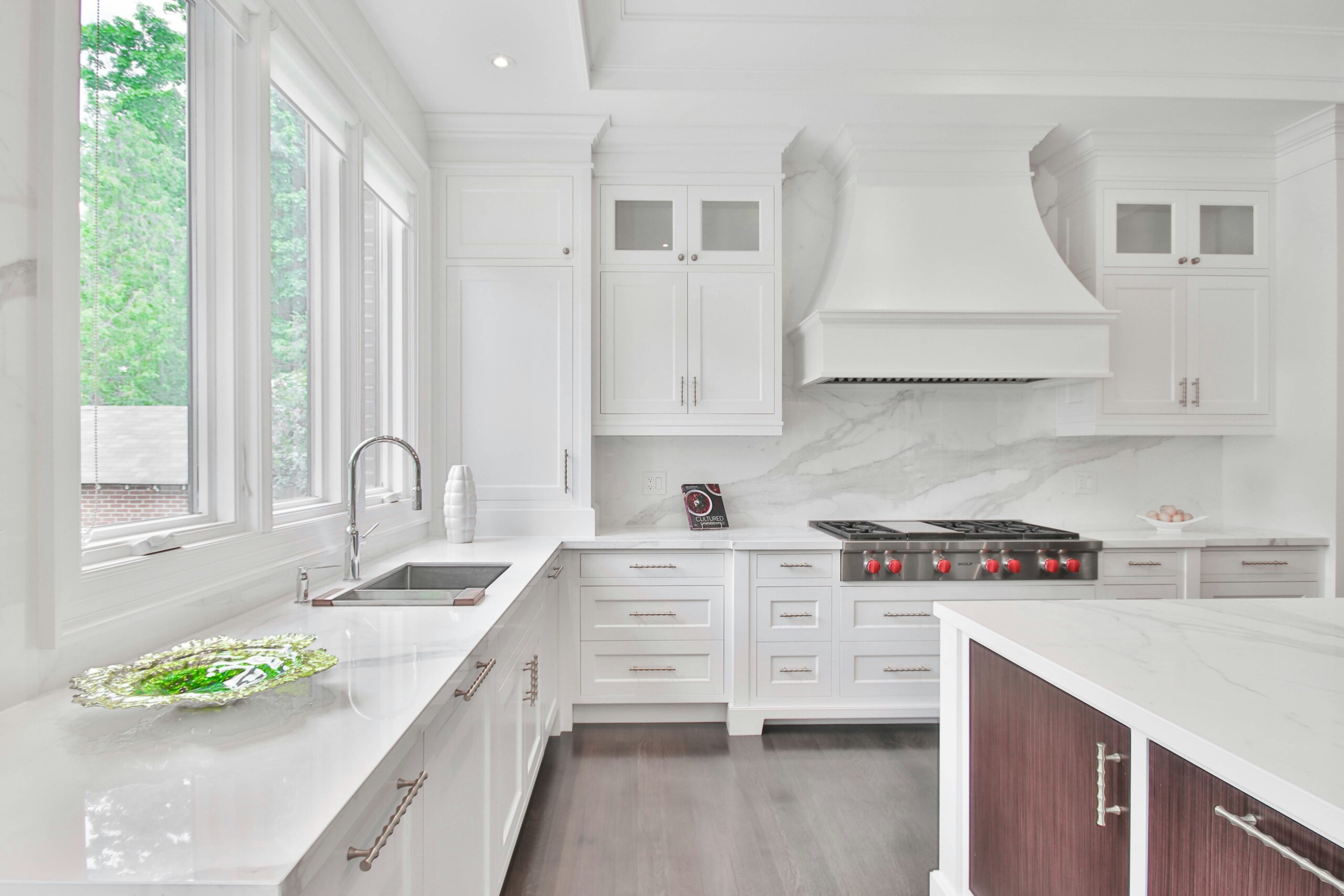
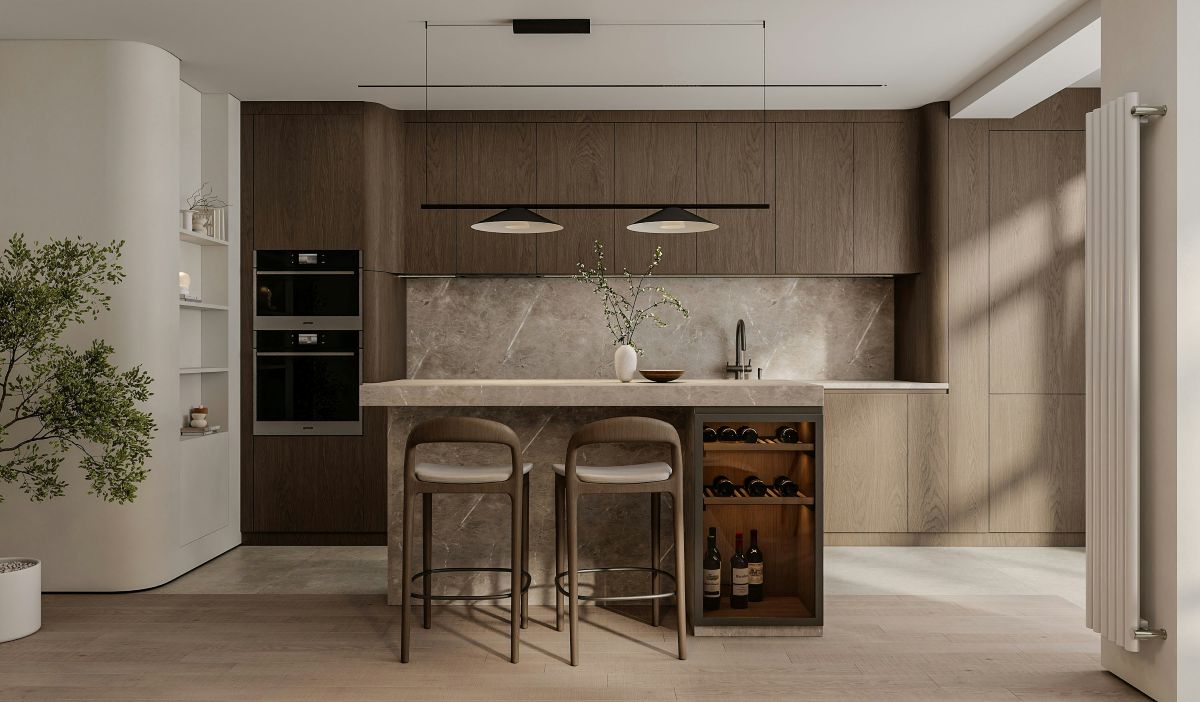
Kitchen islands often become the focal point of a remodel, but their impact extends far beyond appearance. A properly sized and positioned island can help organize movement throughout the room while creating a natural separation between work areas and gathering spaces. It can provide additional prep space, storage, seating, and functionality while helping direct traffic through the kitchen more efficiently.
However, islands can also create problems when they are oversized or poorly located. An island that leaves inadequate walkway clearance can make the kitchen feel cramped and difficult to navigate. The goal is to create comfortable pathways around the island while ensuring appliance doors, cabinets, and seating areas function without interfering with movement throughout the room.
Storage Planning Can Improve Kitchen Flow
Storage has a direct impact on how people move through a kitchen. Poorly organized storage often results in extra trips across the room, crowded countertops, and multiple people accessing the same area repeatedly throughout the day. Even a beautiful kitchen can feel inefficient if frequently used items are not stored where they make the most sense.
Thoughtful storage planning considers how the kitchen is actually used. Pots and pans should be easily accessible near cooking areas, dishes should be convenient to both the dishwasher and dining spaces, and pantry storage should support the natural flow of meal preparation. Features such as deep drawers, pull out organizers, appliance garages, and custom pantry systems can all contribute to a more efficient and enjoyable kitchen experience.
Learn The Hidden Design Flaws Behind Kitchen Clutter
Considering Traffic Flow During the Design Phase
Traffic flow is often easiest to address during the design phase of a kitchen remodel. Decisions involving appliance placement, cabinet configuration, island sizing, and seating arrangements all influence how people move through the space. Once those elements are installed, making major adjustments becomes significantly more difficult.
Taking the time to evaluate how the household uses the kitchen before construction begins can lead to a much more functional finished result. Every family uses their kitchen differently, which is why traffic patterns should be considered alongside aesthetics, storage needs, and overall layout goals. A kitchen that functions well for one household may not necessarily work well for another.
Why Working With a Design-Build Contractor Matters
Kitchen traffic flow problems are not always obvious when looking at a floor plan. A layout that appears functional on paper may still create congestion once multiple people begin using the space throughout the day. Understanding how appliance placement, seating areas, storage locations, and walkways interact requires looking beyond aesthetics and considering how the kitchen will function in real life.
At Homecare Remodeling, our design-build approach allows us to evaluate the kitchen as a complete system rather than a collection of individual features. By planning traffic patterns, workflow, storage, and design together, we help create kitchens that not only look beautiful but also function more efficiently for the families who use them every day. If your kitchen feels crowded, inefficient, or difficult to navigate, a thoughtfully planned kitchen remodel may be the solution. Contact our team today to learn more about improving traffic flow and functionality within your kitchen.
Founded in 1960, Homecare Remodeling has evolved into a design-build company specializing in kitchen, bathroom and basement remodels. We provide a structured design and construction process backed by transparency, care, and exceptional craftsmanship. Our team is committed to bringing our clients’ vision to life, delivering high-quality remodels that are thoughtfully planned and built to last.