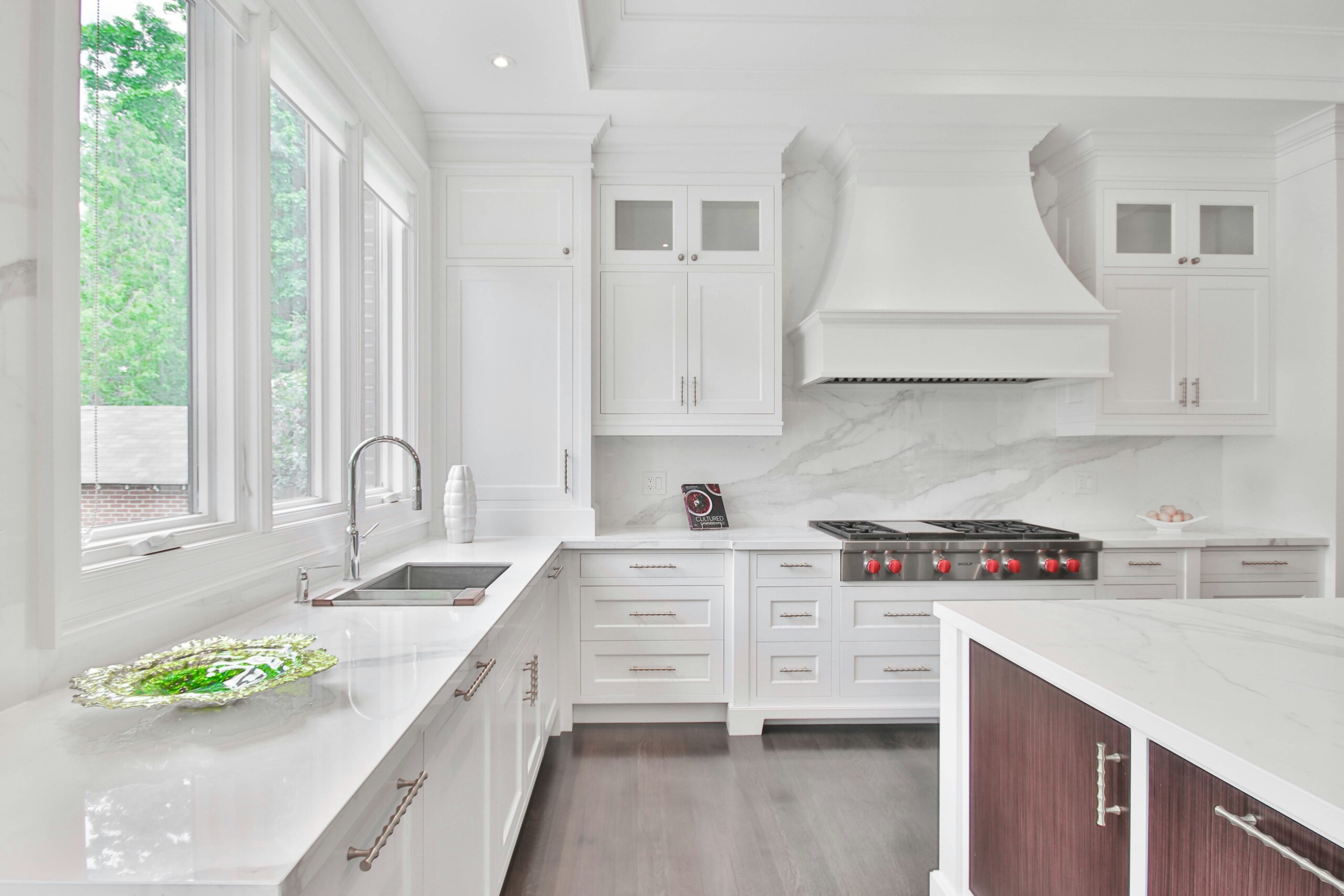
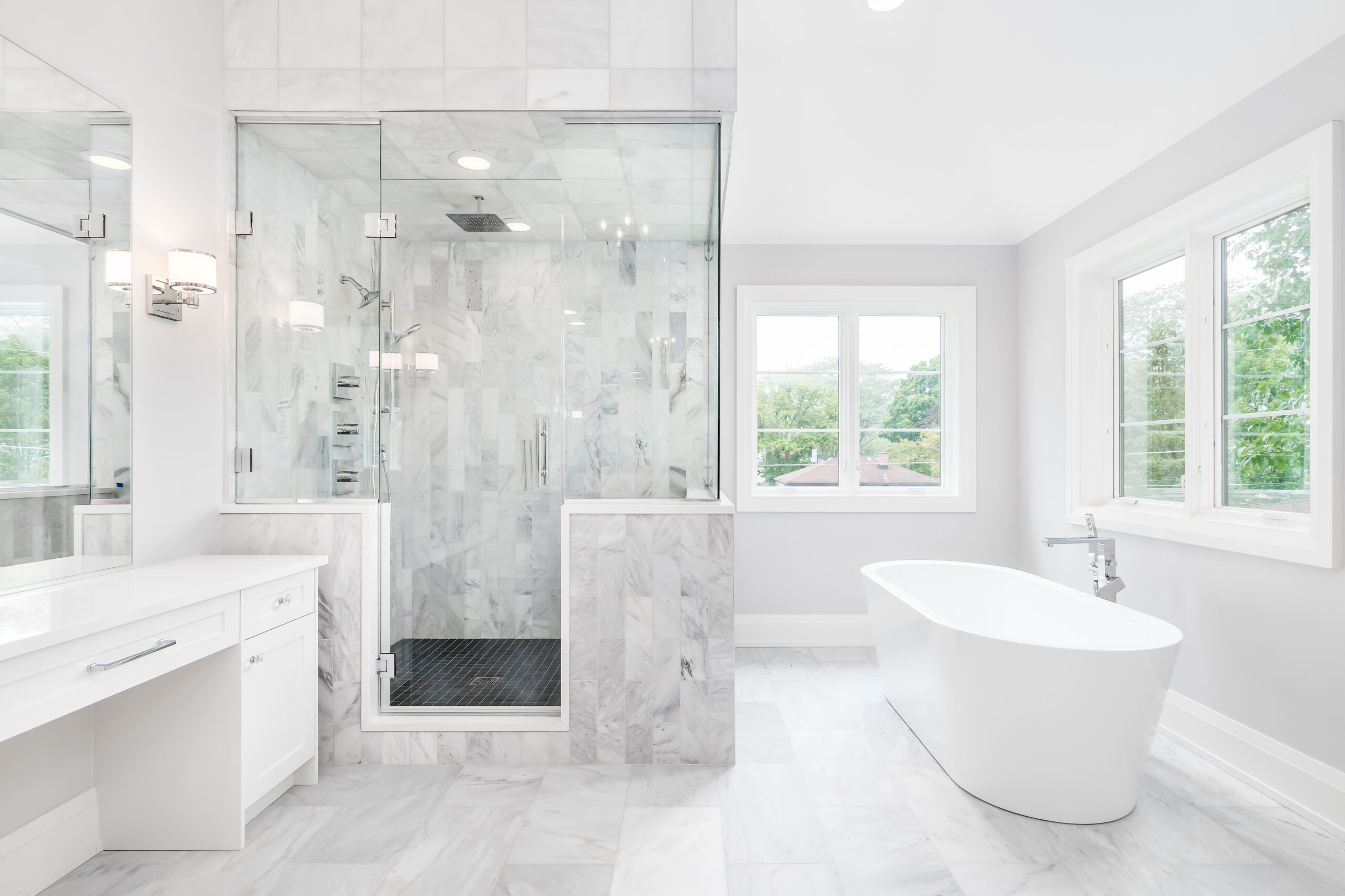
Kitchen clutter is often blamed on having too much stuff, but in many cases, the real issue starts much earlier with the design of the space itself. When a kitchen lacks intentional storage planning, even the most organized clients can find themselves dealing with crowded countertops, overflowing cabinets, and spaces that never quite feel functional. A well-designed space should support the way the kitchen is actually used and make everyday tasks easier, not create constant workarounds.
When storage is treated as an afterthought, the result is usually frustration disguised as clutter. The problem is not always that there is too much in the kitchen. More often, it is that the layout was never designed to hold it properly. What looks like a simple organization issue is often a cabinetry issue, a circulation issue, or a planning issue that started long before the space was ever finished.
Why Kitchen Storage Problems Start With Design
In a well-planned kitchen remodel, the goal is not simply to add more cabinets. It is to create smarter storage that feels intuitive and supports the way the space functions every day. Many kitchens rely heavily on standard lower cabinets with fixed shelving, which may technically provide storage but often create frustration in daily use. Pots and pans get stacked, small appliances are pushed to the back, and homeowners end up crouching and digging just to reach the items they use most. Thoughtful kitchen design solves much of this by prioritizing accessibility from the start.
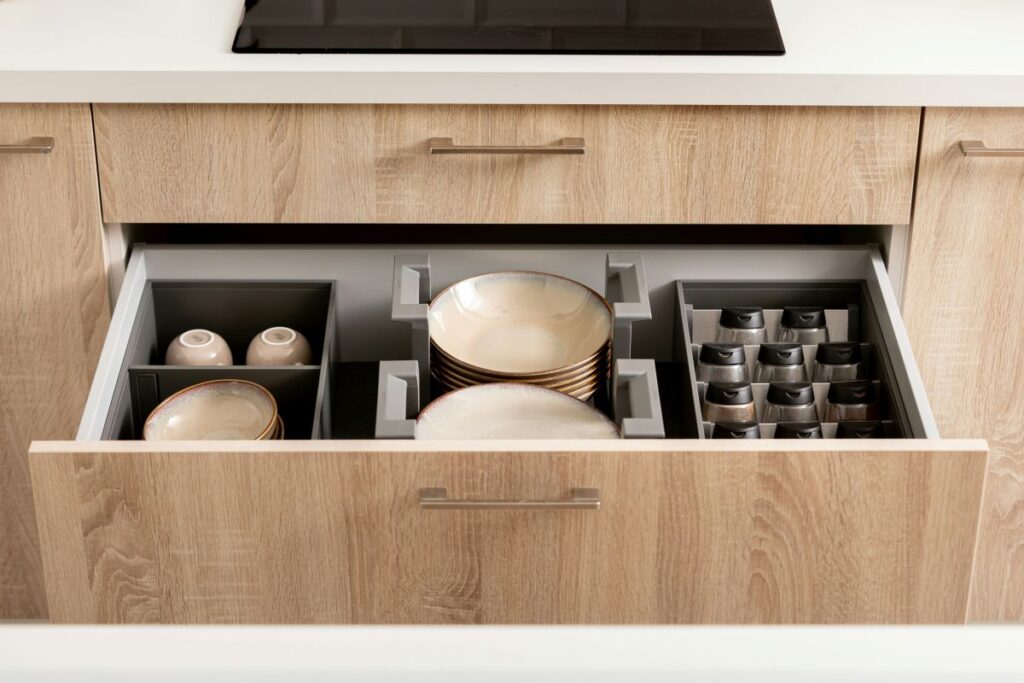
Drawer-based storage creates a much more functional solution. Deep drawers for cookware, pull-out spice storage near the cooking zone, vertical tray dividers, and dedicated organizers all improve accessibility while keeping the kitchen visually cleaner and easier to maintain over time. Pantries are another area where planning matters. A large pantry may sound like the answer, but without proper shelving depth, pull-outs, and designated zones, it quickly becomes a place where items are forgotten, duplicated, or difficult to access. In many cases, a smaller pantry with better internal organization creates a much stronger result.
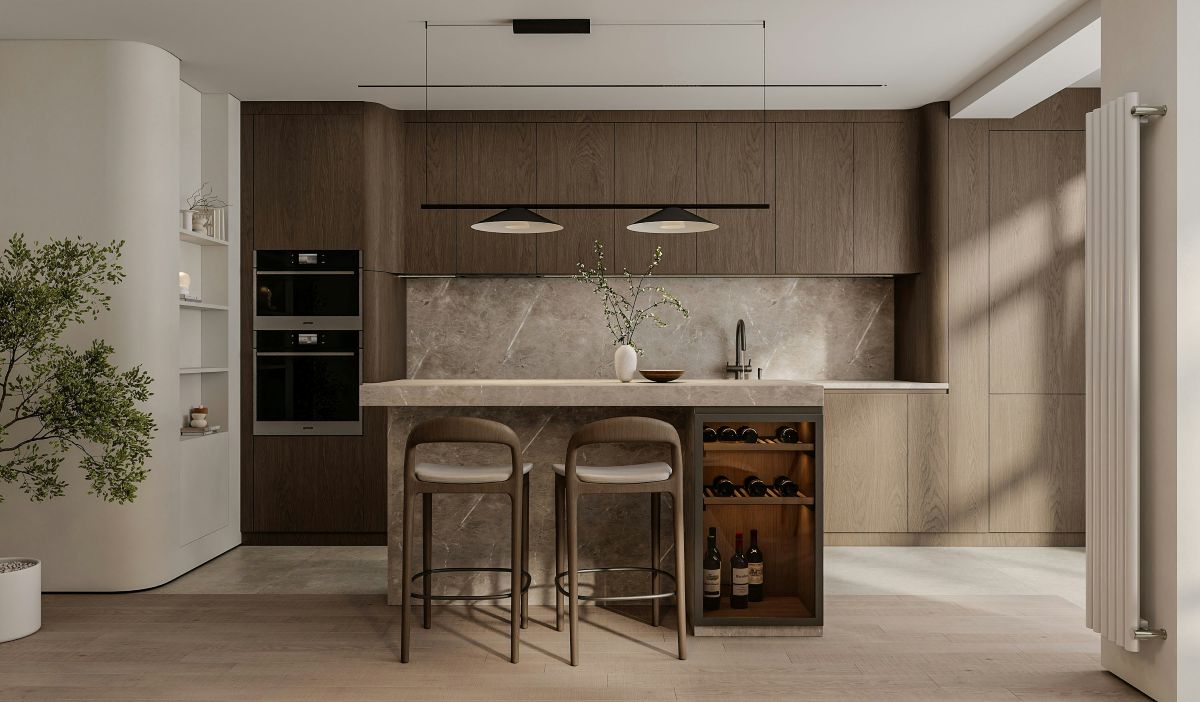
Island Design Matters More Than Most People Realize
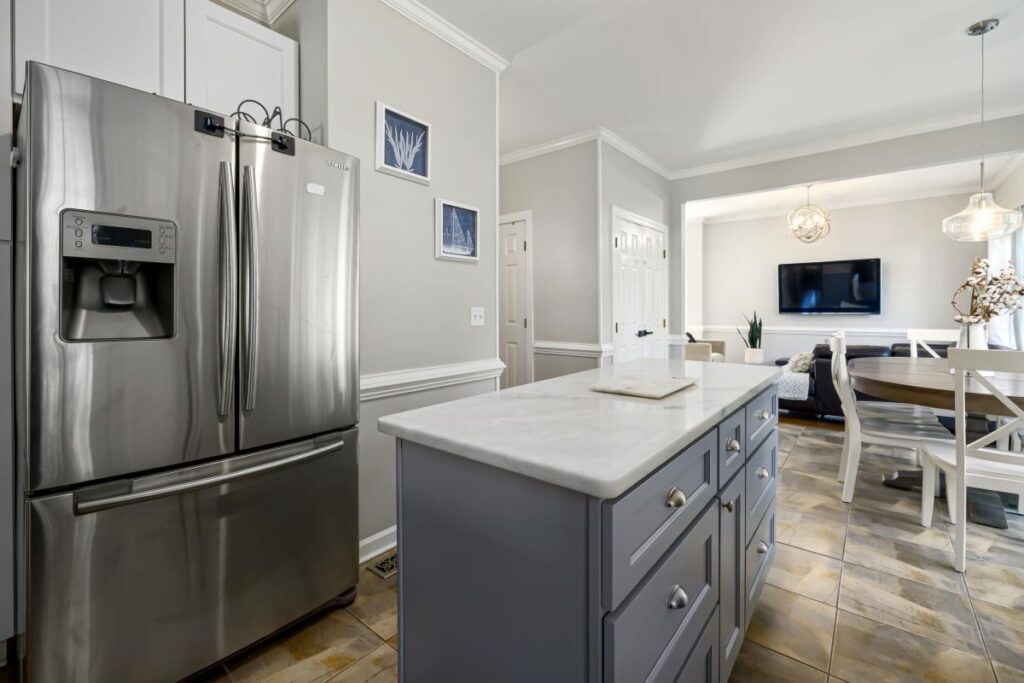
Kitchen islands are often treated as the visual centerpiece of the room, but they should also be one of the hardest-working storage areas in the kitchen. Too often, islands are designed around seating alone, leaving valuable storage potential unused. While seating is important, the island should also contribute to how the kitchen functions on a daily basis. An island can house everything from everyday dishware and trash pull-outs to microwave drawers, charging stations, and prep storage. When planned intentionally, it becomes one of the most useful areas in the room rather than simply a place to gather.
This is especially important in open-concept homes, where the kitchen is part of the main living space and visual clutter affects the feel of the entire home. A cluttered island quickly makes the whole space feel crowded, while a well-designed island helps maintain clean surfaces, better organization, and a more balanced overall layout. In many kitchen remodel projects, this becomes one of the biggest differences between a kitchen that looks good and one that truly works well.
Storage Should Reflect Daily Routine
The best storage plans begin with routine, not cabinet catalogs. Someone who cooks every night uses the space differently than someone who entertains often or prioritizes baking. Storage should reflect those habits rather than forcing the homeowner to adapt to a generic layout. This is where true customization creates long-term value. If small appliances are used daily, they should be easy to access rather than buried in the back of a cabinet. Serving dishes used only a few times a year do not need prime storage, nd snack areas for kids should be planned intentionally rather than improvised later.
Instead of trying to organize around a flawed layout, the layout itself should be built around the client’s lifestyle. A kitchen remodel should create a space that feels calm, functional, and easy to maintain rather than one that constantly needs reorganizing. When storage is planned with purpose from the start, clutter becomes far less of an issue. Kitchen clutter is rarely solved by buying more organizers after the fact. It is solved during the planning stage, when layout, cabinetry, and storage decisions are made with intention.
Learn The Best Cabinet Options for a Kitchen Remodel
Better Design Creates Better Function
A kitchen that feels effortless to use is usually the result of dozens of small design decisions working together behind the scenes. When layout, cabinetry, and storage are planned with intention, the result is not just a more beautiful kitchen, but one that feels calmer, more functional, and easier to maintain every day. Good design removes friction, which is often the real source of clutter in the first place.
As a design-build kitchen remodeling contractor, we specialize in creating spaces that go beyond surface-level updates. Our approach to kitchen design focuses on how the space should function just as much as how it should look. If your kitchen feels cluttered no matter how organized you try to be, the solution may not be more storage—it may be better design. If you’re planning a kitchen remodel and value a thoughtful, design-driven approach, our team would be happy to help you create a space that feels both functional and beautifully designed.
Founded in 1960, Homecare Remodeling has evolved into a design-build company specializing in kitchen, bathroom and basement remodels. We provide a structured design and construction process backed by transparency, care, and exceptional craftsmanship. Our team is committed to bringing our clients’ vision to life, delivering high-quality remodels that are thoughtfully planned and built to last.