When clients begin planning a remodel, the initial focus often centers around aesthetics, layout, and immediate lifestyle improvements. Those elements are important, but the most successful projects go a step further. They consider how the space will function not just today, but five, ten, and even twenty years from now. A well-designed home should evolve with you. It should support changes in routine, accommodate shifting needs, and continue to feel intentional as life moves forward.
The level of investment that goes into a remodel makes it even more important to think beyond the present moment. The goal is not only to create a space that looks refined when it is completed, but one that continues to perform seamlessly over time. Designing with the future in mind does not mean sacrificing style. It means making thoughtful decisions early so the space remains both beautiful and highly functional for years to come.
What to Consider When Designing for the Future
Kitchen Remodeling
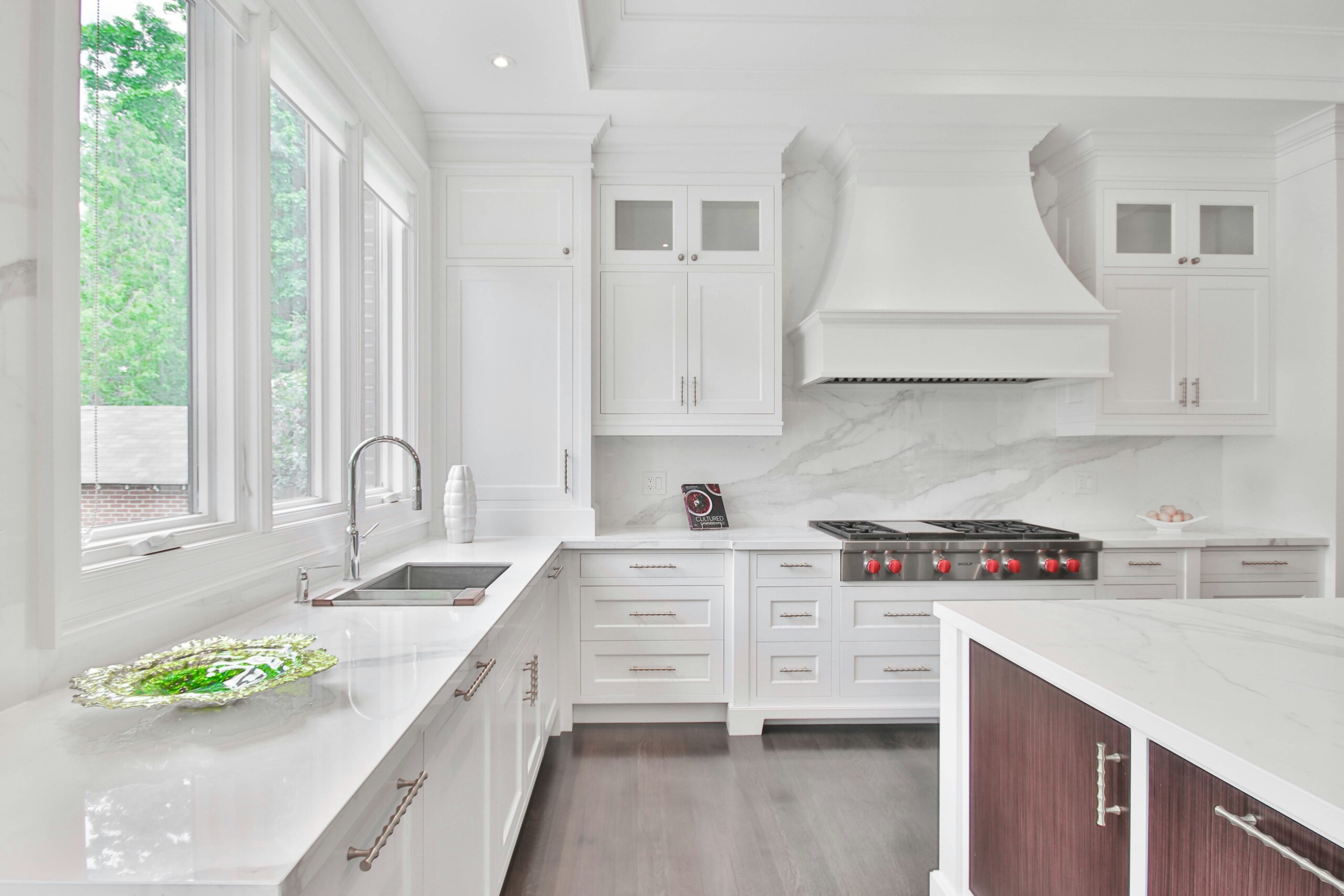
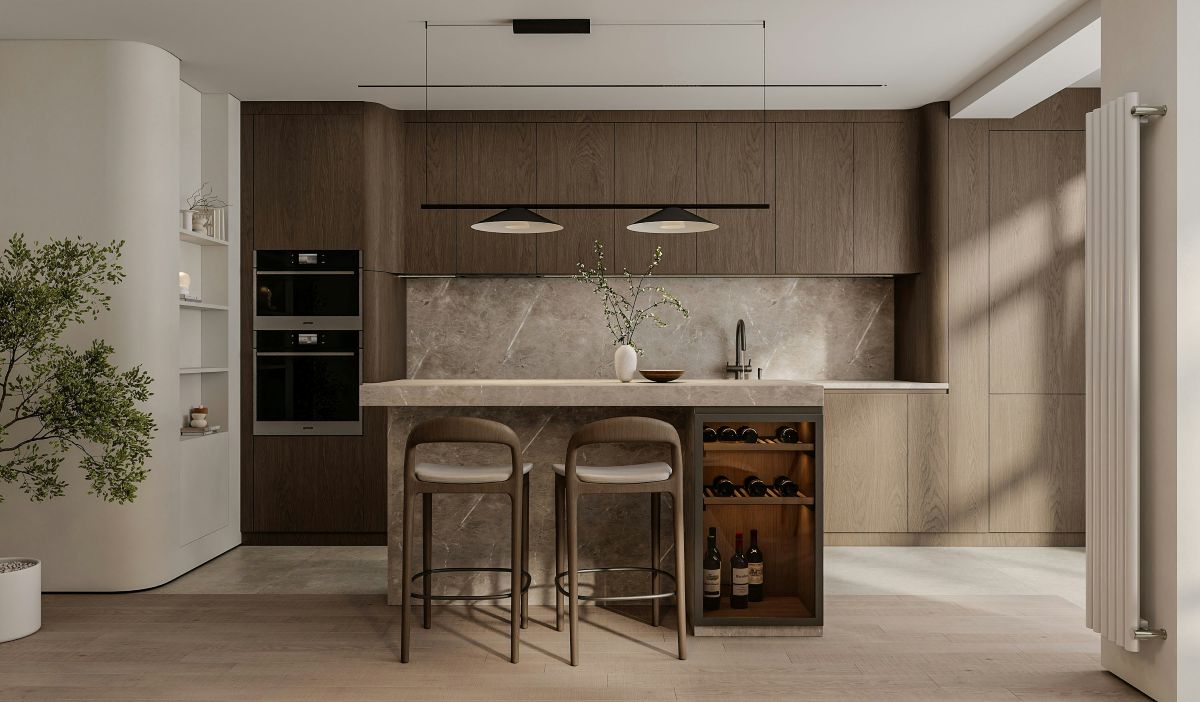
Kitchens tend to be one of the most dynamic areas in the home, supporting everything from quick daily routines to longer, more intentional moments of gathering and hosting. Because of that range, it is worth thinking beyond the immediate layout and considering how the space will continue to function as those routines evolve over time.
One of the most important decisions early on is how the space is laid out and navigated. Walkway spacing, island placement, and the relationship between appliances and work zones all play a role in how the kitchen feels to move through. Giving those areas a little more intention during planning helps create a layout that does not just work well today, but continues to support the space as needs change over time.
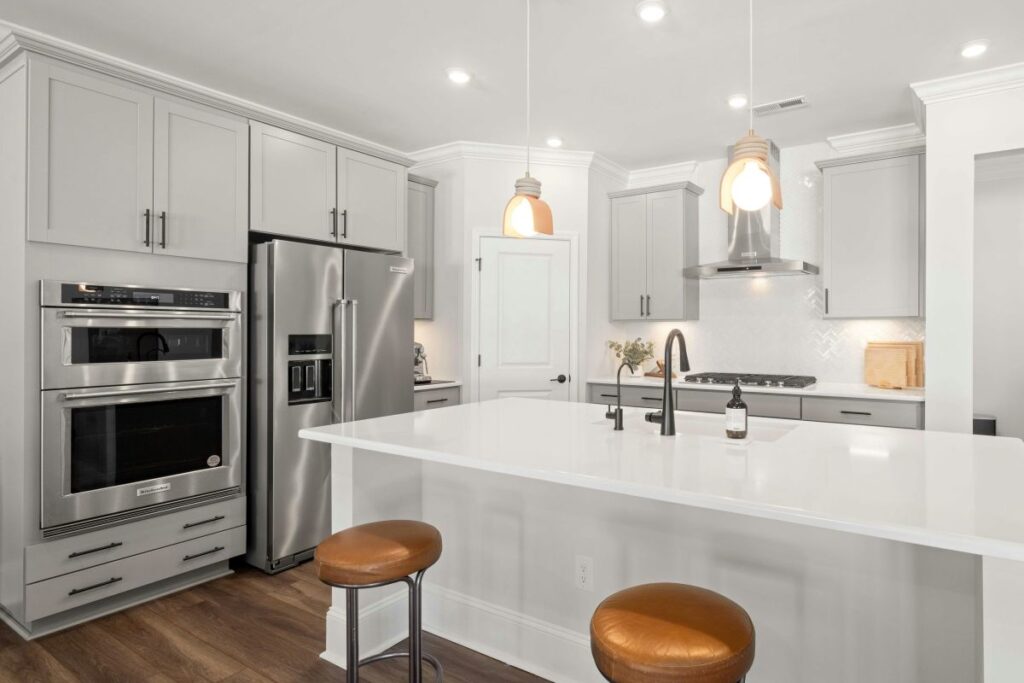
Storage is another area where planning ahead tends to make a noticeable difference over time. The way cabinetry is configured, along with how easily items can be accessed, has a direct impact on how the kitchen functions day to day. Prioritizing drawer storage over deep lower cabinets, incorporating pull-outs, and thinking through what is used most often can reduce the need to reach, bend, or work around the space. These are the types of decisions that may feel minor during planning, but they tend to become more valuable as the space is lived in over time.
Lighting is another element that becomes more important over time. A well-designed lighting plan that layers ambient, task, and accent lighting helps the kitchen remain comfortable and functional throughout the day. Under-cabinet lighting, in particular, can make a noticeable difference in visibility without relying on overhead fixtures. Taking the time to plan for proper lighting early on helps ensure the space continues to feel balanced and easy to use as the home is lived in over the years.
Bathroom Remodeling
In a bathroom remodel, long-term planning has a direct impact on safety and ease of use. The decisions made early on influence not only how the space feels, but also how easy it is to maintain and move through over time. Approaching those details with intention from the start allows them to be integrated seamlessly, rather than added later.
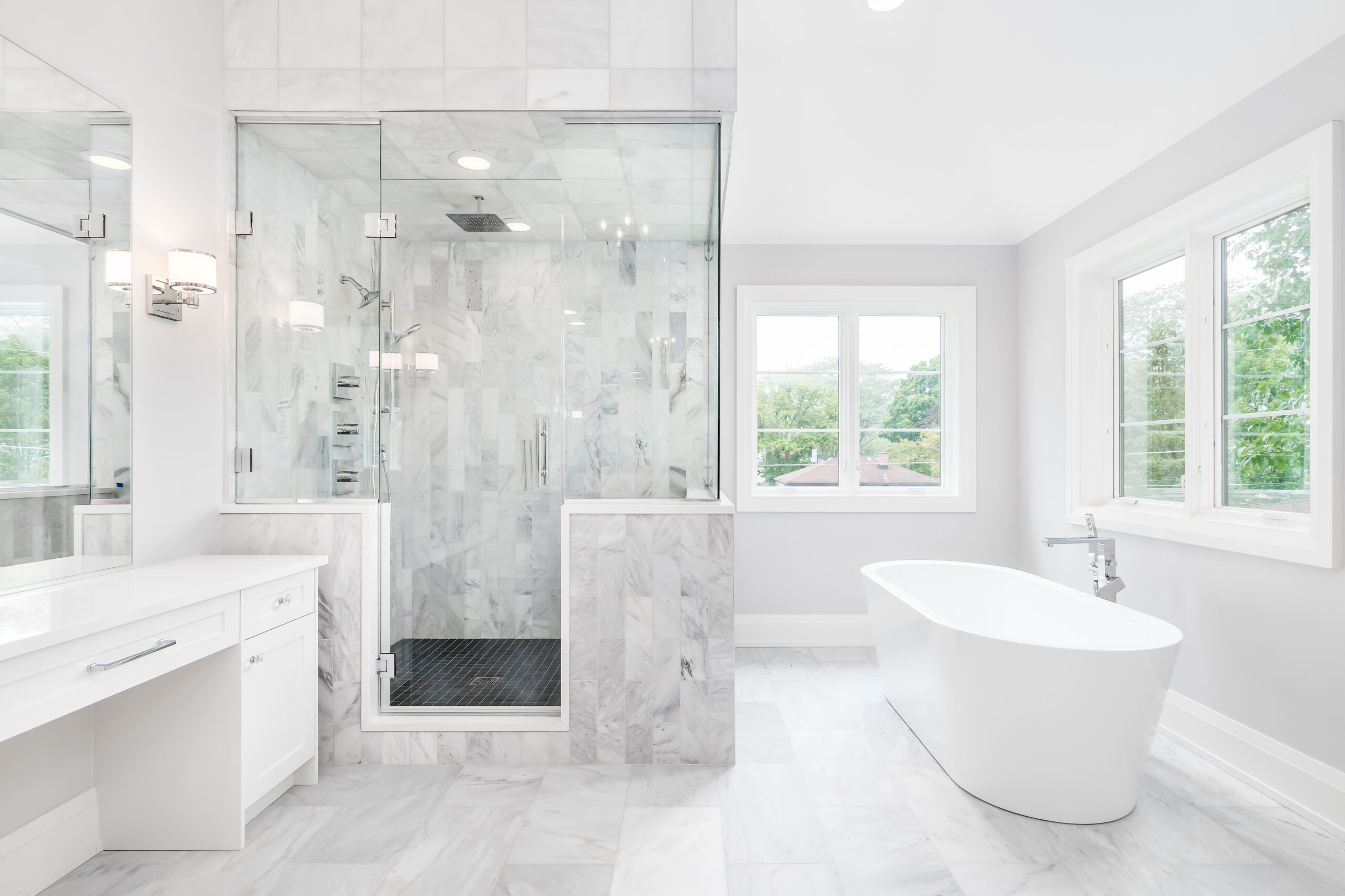
The shower is often where these decisions matter most. Curbless or low-threshold entries can make the space easier to access while also creating a cleaner, more open look. Planning for proper drainage, adequate slope, and thoughtful placement of controls allows the shower to function well without feeling restrictive. Reinforcing walls for future grab bars, even if they are not installed right away, is another simple step that provides flexibility without impacting the design.
This is also the stage where it makes sense to think through features that would be difficult to add later. If a freestanding tub, a larger shower footprint, or additional storage is something you may want down the road, incorporating it during the initial remodel is typically far more efficient than trying to revisit the space later. Planning for those possibilities upfront helps avoid limitations once the layout is already set.
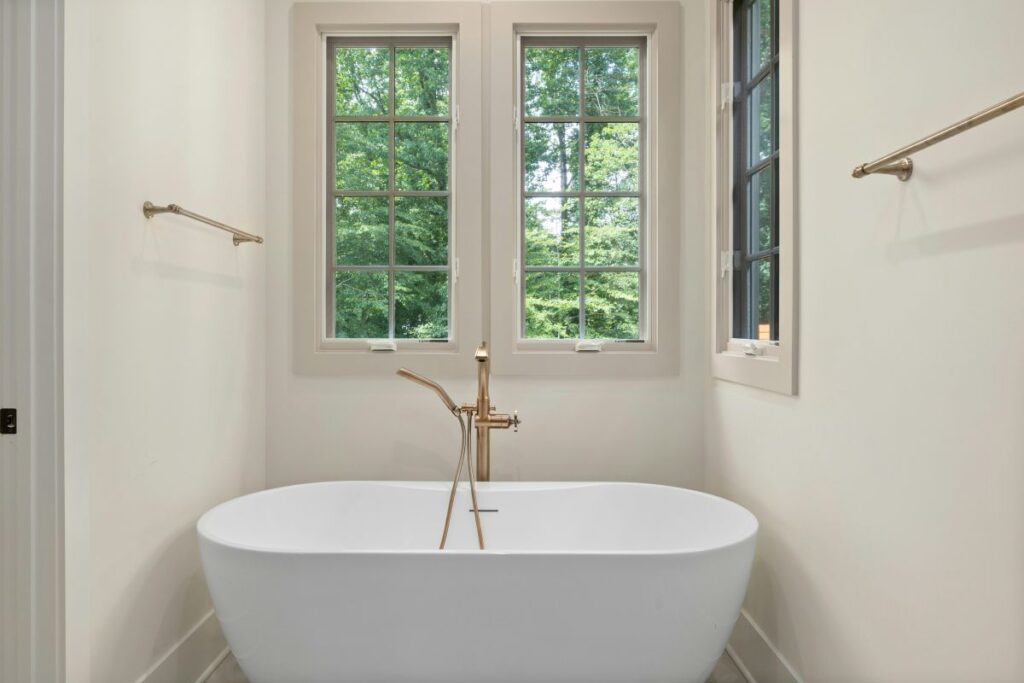
Material selection also plays a role in how the space holds up. Larger format tile can reduce grout lines and simplify cleaning, while slip-resistant flooring adds an extra layer of safety without changing the overall look. Choosing finishes that are durable and easy to maintain helps the bathroom continue to feel clean and well-kept without requiring constant upkeep.
Vanity layout and fixture placement should also be considered with long-term use in mind. Adequate spacing, comfortable counter heights, and well-placed lighting all contribute to how easy the space is to move through and use on a daily basis. These are the types of details that may not stand out immediately, but they tend to have a lasting impact on how the bathroom functions over time.
Basement Remodeling
A basement remodel is often where planning for the future has the most flexibility. Unlike other areas of the home that are more defined in how they are used, a basement can serve different purposes over time. Taking that into account during the initial design allows the space to adapt more easily as needs shift.
One of the most important considerations is how the layout could support multiple uses. A space that functions as an entertainment area today may later transition into a guest suite, home office, or additional living area. Thinking through room separation, door placement, and circulation early on can make those transitions feel natural without requiring major changes down the road.
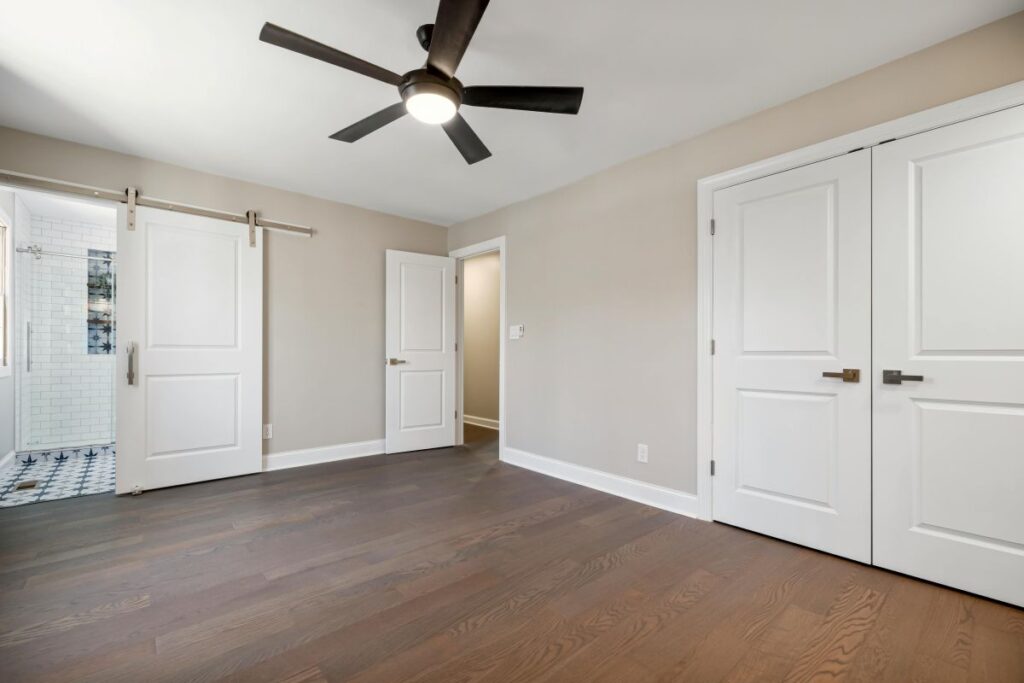
It is also worth planning for elements that may not be needed immediately but could add value later. Roughing in plumbing for a future bathroom or wet bar, allowing space for a bedroom that meets egress requirements, or planning for additional storage are all decisions that are much easier to incorporate during the initial remodel. These are the types of considerations that can significantly expand how the space is used over time.
Comfort and performance should also be part of the conversation. Proper insulation, sound control, and consistent temperature management help ensure the basement feels like a true extension of the home rather than a separate space. When those foundational elements are addressed early, the space becomes more versatile and usable across a wider range of functions.
Thoughtful Design That Lasts
As a design-build home remodeling contractor, we specialize in interior remodels that are planned and executed with that long-term perspective in mind. If you’re planning a kitchen, bathroom, or basement remodel in the Twin Cities and value a thoughtful, design-driven approach, we would be happy to talk through your project and help you plan the next steps. Reach out to our team to schedule your free consultation.
Founded in 1960, Homecare Remodeling has evolved into a design-build company specializing in kitchen, bathroom, and basement remodels. We provide a structured design and construction process backed by transparency, care, and exceptional craftsmanship. Our team is committed to bringing our clients’ vision to life, delivering high-quality remodels that are thoughtfully planned and built to last.