A remodeling project is a significant investment of both time and money, which is why most homeowners spend considerable effort planning the finished result. While many projects successfully transform a home, there are also situations where homeowners look back and wish they had made different decisions along the way. Interestingly, remodeling regrets are often not related to the quality of the workmanship itself. Instead, they are frequently tied to planning decisions, missed opportunities, or choices that seemed reasonable at the time but became frustrating once the space was being used every day.
The good news is that many of the most common remodeling regrets can be avoided with thoughtful planning and a clear understanding of how the space will function long term. Taking the time to think beyond finishes and aesthetics can help create a remodel that not only looks great on completion day but continues to work well for years to come.
Prioritizing Appearance Over Functionality
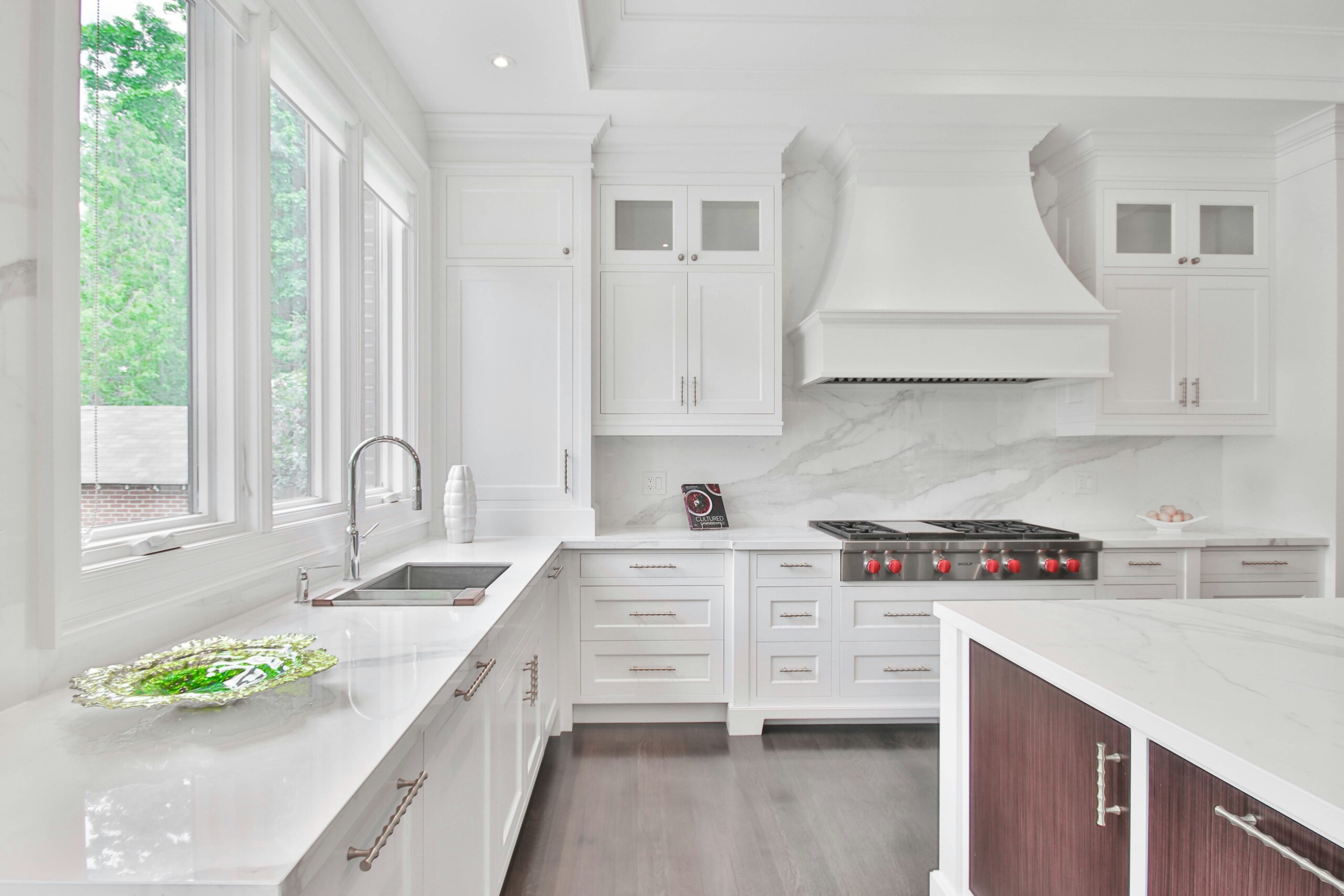
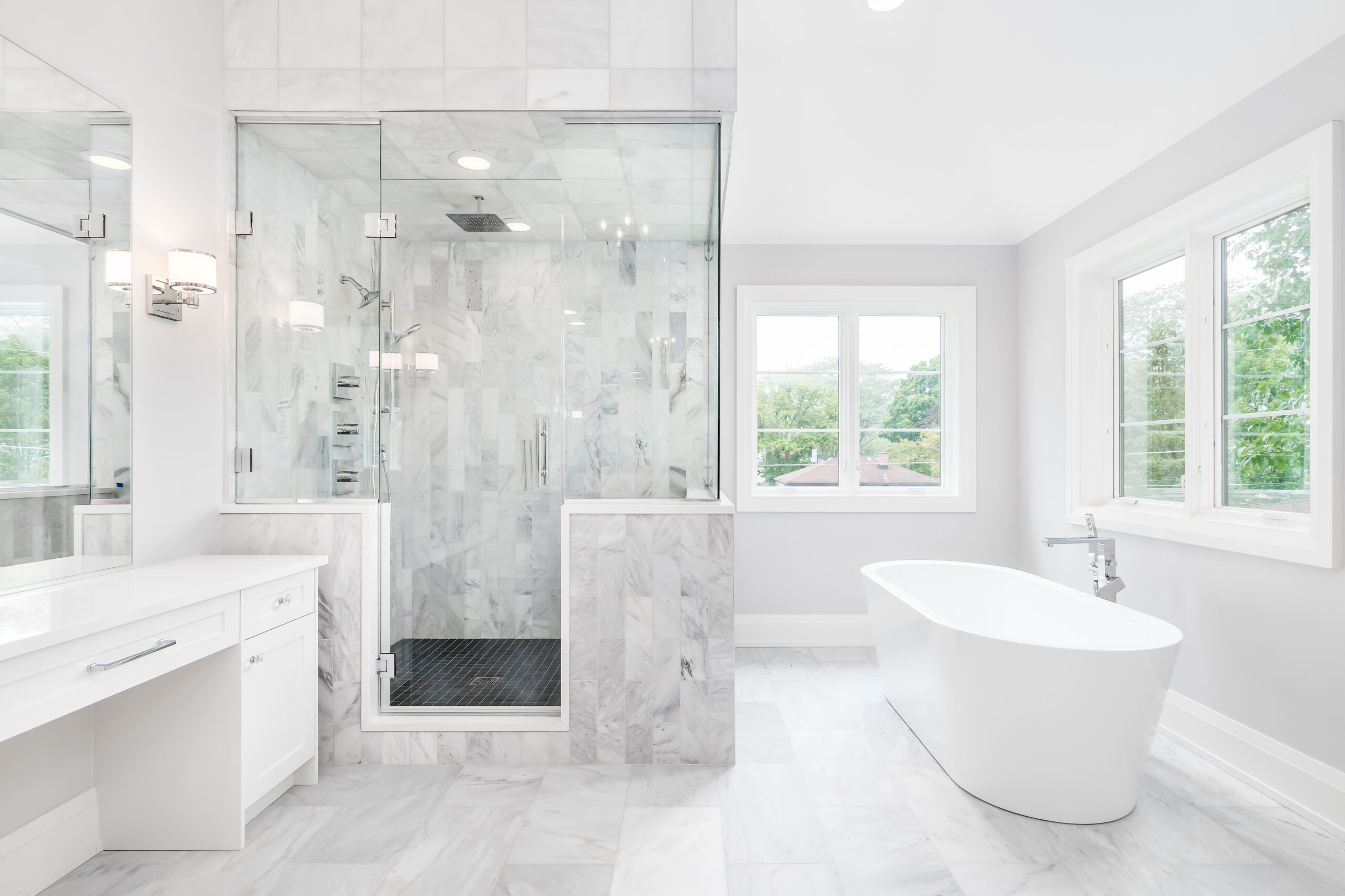
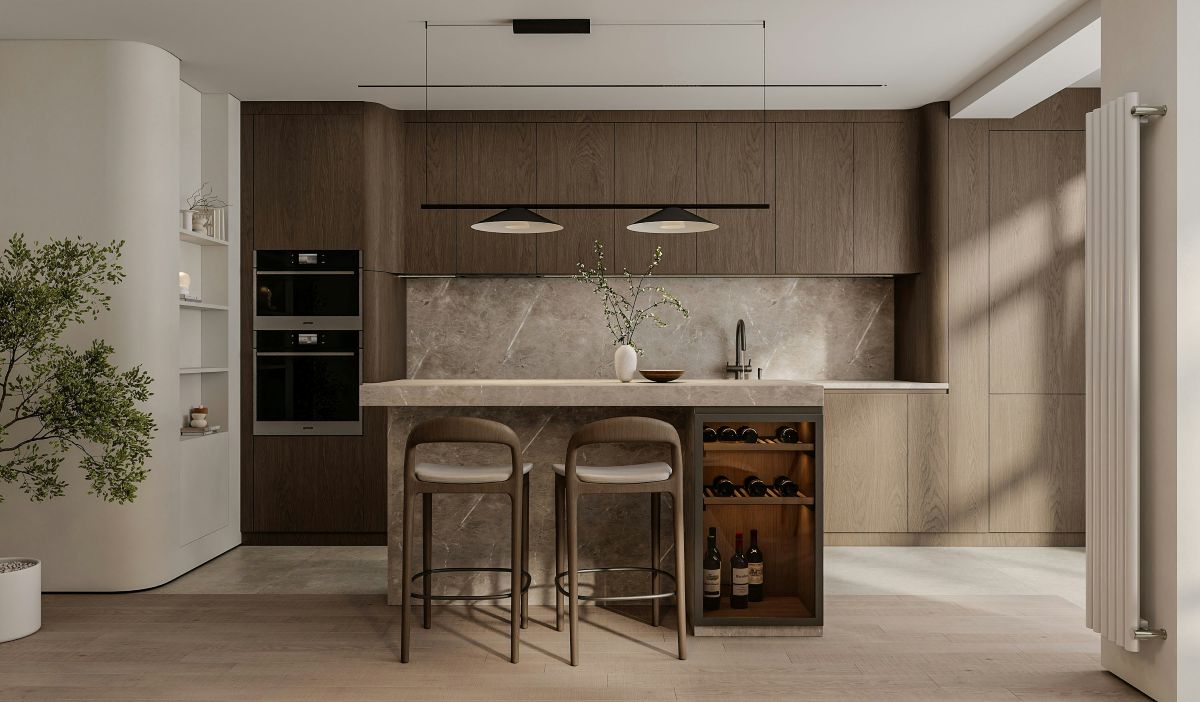
One of the most common remodeling regrets occurs when design decisions are driven primarily by appearance without giving enough consideration to everyday use. A beautiful kitchen, bathroom, or basement should also function well for the people using it. Layout, storage, lighting, traffic flow, and accessibility often have a greater impact on long term satisfaction than any individual finish selection.
For example, homeowners may prioritize a larger island without considering walkway clearances, select a vanity that limits storage, or choose decorative features that do not improve how the space functions. While these decisions may not seem significant during planning, they can become daily frustrations once the space is in regular use. A successful remodel balances both form and function rather than prioritizing one at the expense of the other. Whether planning a kitchen remodel, bathroom renovation, or basement finishing project, balancing aesthetics with everyday functionality often leads to greater satisfaction after the project is complete.
Related: Improving Kitchen Traffic Flow in Busy Households
Not Including Enough Storage
Storage is one of the most frequently overlooked aspects of remodeling projects. During the design process, it can be tempting to focus on open layouts, decorative features, or maximizing visible space. However, once construction is complete, homeowners often realize they have fewer places to store everyday items than they anticipated.
In kitchens, this may mean insufficient pantry space, limited drawer storage, or inadequate cabinet organization. In bathrooms, it often appears as a lack of linen storage, vanity storage, or convenient locations for daily necessities. Even basement remodels can suffer from inadequate storage planning if seasonal items, utility access, or household overflow are not considered. Thoughtful storage solutions often contribute more to daily satisfaction than many homeowners initially realize.

Choosing Trends Over Long Term Preferences
Design trends can provide inspiration, but they should not become the sole factor driving remodeling decisions. Many homeowners regret selecting finishes, colors, or features simply because they were popular at the time rather than because they genuinely matched their personal preferences or lifestyle.
While some trends age well, others can begin feeling dated much sooner than expected. This does not mean homeowners should avoid current design styles altogether. Instead, it often makes sense to incorporate trends in ways that can be updated more easily over time while keeping major investments and permanent elements more timeless. This approach allows the space to feel current without creating pressure for another remodel a few years later. Many homeowners spend time gathering kitchen design ideas and bathroom design ideas before starting a remodel, but it is equally important to evaluate how those ideas will function within the space rather than focusing solely on appearance.
Not Addressing the Bigger Picture
Another common remodeling regret occurs when homeowners focus on solving an immediate problem without fully addressing the underlying issues within the space. While budget considerations are important, there are situations where limiting the scope of work too aggressively can create additional challenges down the road. What initially feels like a cost savings can sometimes lead to more disruption, higher overall costs, or the need for additional remodeling work sooner than expected.
For example, a homeowner may choose to update finishes while leaving aging plumbing, electrical components, cabinetry, or layouts unchanged. In other cases, a remodel may improve the appearance of the space without fully addressing the functionality concerns that prompted the project in the first place. As the remaining components continue to age or problems begin surfacing, homeowners sometimes find themselves wishing they had completed the full remodel from the start. While every project and budget is different, it is important to evaluate both short term and long-term goals when determining the scope of work. In many situations, investing in the right solution upfront can provide greater value, fewer future disruptions, and greater satisfaction over the life of the remodel.

Making Decisions Too Late in the Process
One remodeling regret that homeowners occasionally experience is wishing they had made certain decisions earlier. While changes can sometimes be accommodated during construction, major adjustments to layouts, materials, fixtures, or finishes after work has already begun can increase costs, impact schedules, and create unnecessary frustration. Looking back, some homeowners realize they would have preferred a different approach if they had fully considered all their options before construction started.
This is one reason why thorough pre-construction planning is so important. At Homecare, clients work closely with our designer to make selections and finalize important decisions before construction begins whenever possible. By investing time in the planning phase, homeowners have the opportunity to explore options, ask questions, and make informed decisions without the pressure of active construction. This process helps reduce last-minute changes and creates a smoother remodeling experience from start to finish.
Hiring Based on Price Alone
Budget is an important factor in every remodeling project, but focusing exclusively on the lowest price can sometimes lead to disappointment later. Remodeling proposals may vary significantly depending on the scope of work, materials included, allowances, planning efforts, project management, and quality expectations.
The lowest price is not always the best value. Homeowners who focus solely on cost may later regret choosing a contractor who lacked communication, detailed planning, proper project management, or the experience necessary to execute the project effectively. Evaluating the overall remodeling experience and understanding what is included in the project can be just as important as comparing pricing.
Learn Why Low Remodeling Contracts Are Often Deceiving
Why Working With a Design-Build Contractor Can Help
Many remodeling regrets can be traced back to planning decisions made early in the process. A design-build remodeling contractor helps address these challenges by bringing design, planning, budgeting, and construction together under one team. This approach allows potential concerns to be identified earlier, before they become costly changes or frustrations later.
At Homecare Remodeling, we specialize in kitchen remodels, bathroom remodels, and basement remodels throughout the Minneapolis area. Our design-build approach helps homeowners make informed decisions before construction begins by evaluating how the space will function, how the investment will be used long term, and what opportunities exist to improve both form and function. By taking a comprehensive approach to planning, we help clients avoid many of the common regrets that can surface after a remodel is complete.
If you are considering a remodeling project, thoughtful planning today can help prevent common regrets tomorrow. Contact our team today to learn more about our remodeling process and how we can help bring your vision to life.
Founded in 1960, Homecare Remodeling has evolved into a design-build company specializing in kitchen, bathroom and basement remodels. We provide a structured design and construction process backed by transparency, care, and exceptional craftsmanship. Our team is committed to bringing our clients’ vision to life, delivering high-quality remodels that are thoughtfully planned and built to last.